

Anantnag:In a proactive step towards climate resilience, land restoration, and sustainable livelihoods, the Agriculture Department of Kashmir has initiated a comprehensive rejuvenation programme for degraded lands in the remote upper reaches of Aru Valley, particularly in the Ghirward area. The project is being rolled out ahead of COP 2028 (the 33rd Conference of the Parties to the UNFCCC), underscoring Jammu and Kashmir’s contribution to India’s national climate commitments, including land degradation neutrality, carbon sequestration, and climate-smart agriculture.
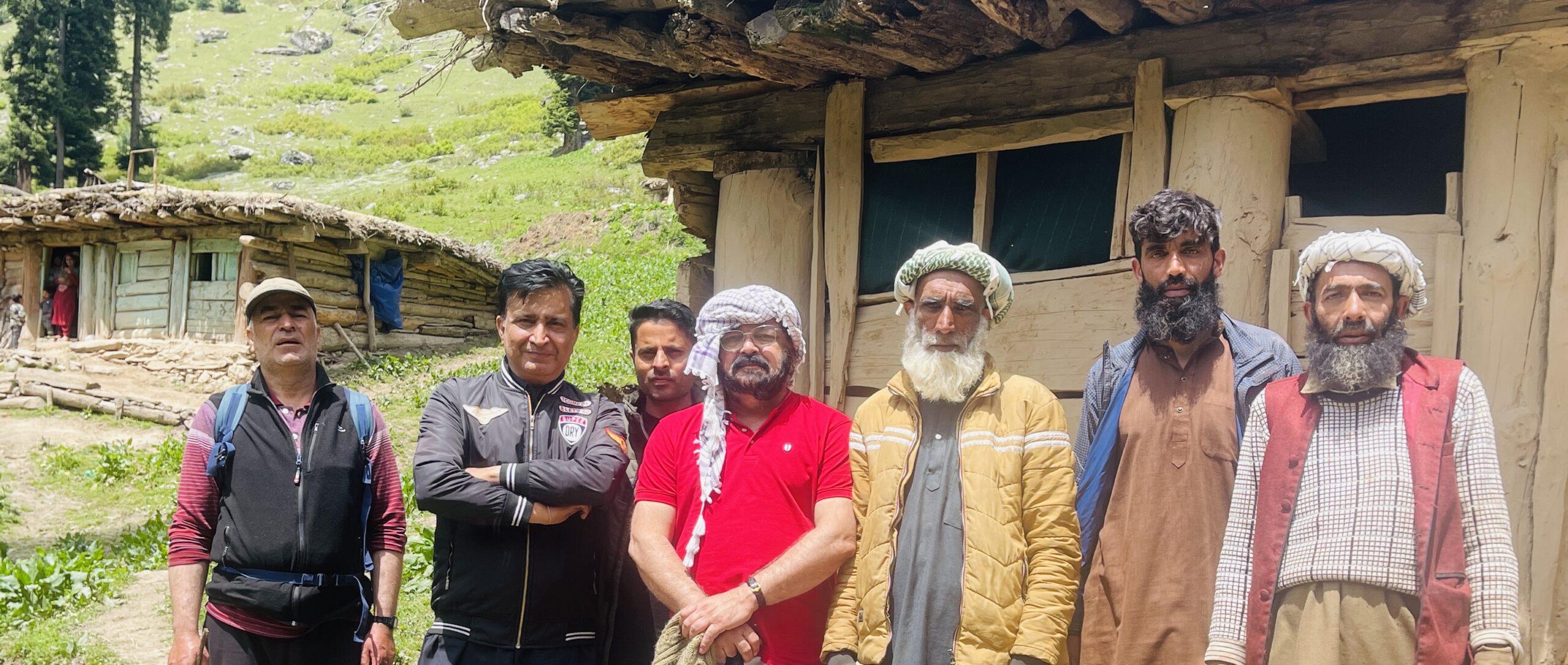
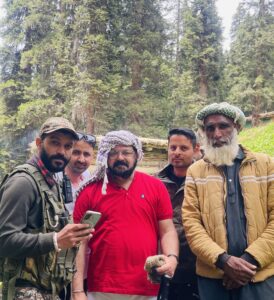
Joint Director (Inputs), Mr. Sohan Singh, visited the remote Ghirward area on the directions of Director Agriculture Kashmir. Demonstrating strong commitment, he undertook a challenging 11-kilometer trek on foot due to the complete absence of road connectivity to this dense forest zone. The visit aimed to assess ground realities and gather detailed insights into the upcoming rejuvenation efforts.
Project Briefing and Key Details
Research Assistant at Fodder Seed Production Station (FSPS) Aru, Mr. Khursheed Ahmad Gilkar, provided a comprehensive briefing to Mr. Sohan Singh on all aspects of the project. The programme focuses on restoring degraded lands through scientific interventions, including improved fodder crop varieties, soil conservation techniques, afforestation, and pasture development suited to the high-altitude Himalayan terrain.
A key highlight of the project is its projected impact on fodder production. Once fully implemented, the rejuvenation is expected to generate an additional up to 1200 metric tons of fodder in the area. This boost will significantly alleviate fodder shortages, a persistent challenge for livestock rearers in the region, especially during harsh winters.
Community Engagement and Security
During the visit, the Agriculture team interacted with various members of the local Scheduled Tribe community, incorporating their insights and ensuring the project addresses grassroots needs. Mr. Sohan Singh expressed gratitude to the personnel of 116 Bn CRPF for providing security along the route through the dense forest and for accompanying the team, highlighting the collaborative spirit between civil administration and security forces in facilitating development in remote areas.
Benefits of the Rejuvenation Project
This initiative offers multifaceted benefits:
* Fodder Security and Livestock Development: The anticipated 1200 metric tons of additional fodder will support dairy and livestock-based economies, improving income for pastoral communities and reducing dependency on external supplies.
* Land Restoration and Environmental Sustainability: Rejuvenating degraded lands will combat soil erosion, enhance biodiversity, improve water retention, and contribute to carbon sequestration in line with global restoration goals.
* Economic Empowerment: By strengthening fodder production and allied activities, the project will create livelihood opportunities, particularly for Scheduled Tribe communities reliant on animal husbandry in upper Aru regions.
* Climate Resilience: In the context of COP 2028, the programme promotes climate-smart practices, helping the region adapt to changing weather patterns and supporting Kashmir’s transition towards sustainable and high-value agriculture.
* Infrastructure and Knowledge Transfer: The on-ground assessment will inform future planning, potentially leading to better support systems even in roadless areas, while FSPS Aru continues its role as a key hub for high-quality fodder seeds (including varieties like Red Clover, Phleum pretense, and Fescue).
Director Agriculture Kashmir has emphasized the department’s focus on reaching the last mile, with such visits underscoring the priority given to remote and challenging terrains.
This rejuvenation programme in Ghirward exemplifies the government’s commitment to holistic agricultural development, environmental conservation, and inclusive growth in Jammu and Kashmir. Further details on timelines, funding, and implementation strategies are expected to be shared soon as the project gains momentum ahead of COP 2028.

